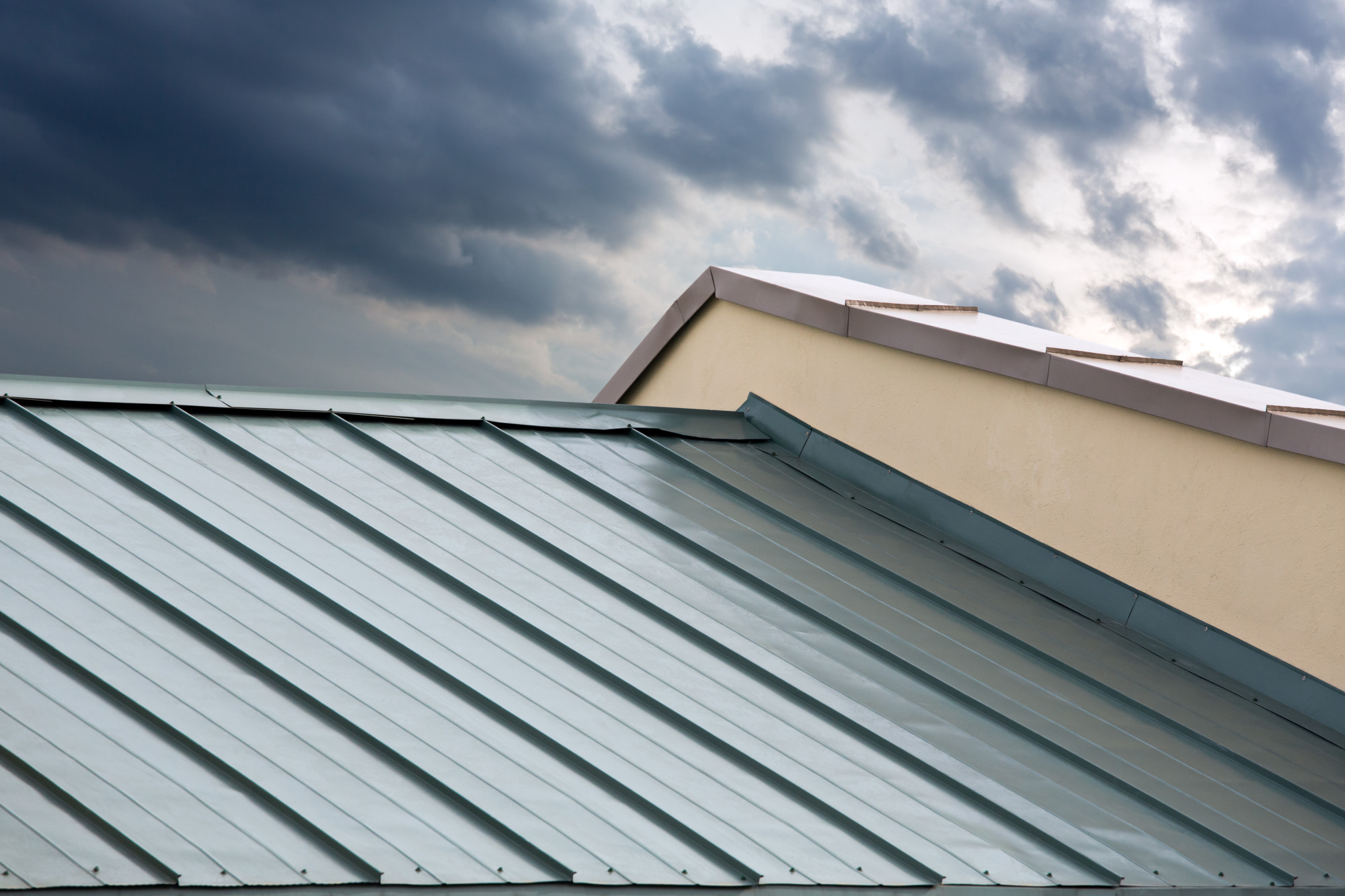
Which Standing Seam Is Right for You
Deciding between snap lock and mechanically seamed standing seam depends on your roof and priorities, and a Avian Glen homeowner can choose with a clear approach. Here is how.
Consider Your Roof's Slope
Start with the roof's slope, since it is often the deciding factor. A roof with adequate, standard slope can use snap lock well, while a low slope roof may call for mechanically seamed standing seam, whose tight seam suits lower pitches. The slope frequently points to the appropriate method. Identifying your roof's pitch is a key first step in the choice. It often determines which method fits.
Consider Weather Demands
Think about the weather demands on your roof, since mechanically seamed standing seam's maximum weather resistance is advantageous in especially demanding conditions, while snap lock's strong weather resistance suits many typical situations. For most homes, both perform well, with mechanical seam preferred where conditions are most challenging. The weather your roof faces helps guide the choice. It is a factor to weigh.
Consider Your Budget
Factor in your budget, since snap lock is generally more economical than mechanically seamed standing seam. For a standard roof where snap lock is suitable, it offers standing seam's benefits at a lower cost, while mechanical seam's premium is justified where its robustness is needed. Balancing the cost difference against the roof's needs is part of the choice. The budget is a real consideration. It shapes the decision.
Match Method to Roof
The goal is to match the seaming method to your roof, with snap lock for many standard slope residential roofs and mechanical seam for lower slopes and demanding conditions. When the roof and the method align, you get the right standing seam for your situation. Matching the two appropriately is what leads to a sound choice. The right method fits your particular roof. It depends on the specifics.
Rely on Expert Guidance
The best way to decide is with guidance from a contractor experienced in both methods, who can assess your roof's slope and conditions and recommend the appropriate seaming method for your situation and budget. That expert input ensures you choose the right standing seam. An experienced installer knows which method suits which roof. It is worth relying on their judgment. They help you decide well.
Which Is Right, in Short
Choose by considering your roof's slope, often the deciding factor, the weather demands, and your budget, matching snap lock to standard slope residential roofs and mechanical seam to lower slopes and demanding conditions, with expert guidance to confirm the choice.
One point worth making clear for Avian Glen homeowners is that when people talk about standing seam metal roofing, they are often referring to it as a single thing, but there are actually two main varieties distinguished by how the panel seams are locked together, and the distinction is worth understanding because it affects cost, performance, and which roofs each suits. Both varieties are genuine standing seam, meaning they share the defining features that make standing seam a premium choice, the fasteners are concealed rather than exposed, so there are no screws on the surface to maintain or to become potential leak points over time, and the panels run in clean vertical lines with raised seams between them for that sleek, modern appearance. The difference lies in the seam itself. Snap lock panels are engineered so that their edges simply snap together and lock into place by the design of the panel, without any special seaming equipment, which makes installation more efficient and tends to make snap lock the more economical of the two. Mechanically seamed panels, by contrast, are locked together by a seaming tool that physically folds or crimps the seam during installation, producing an especially tight, secure joint that offers the maximum in weather resistance. That tighter seam is the reason mechanically seamed standing seam is often chosen for the most demanding conditions and, importantly, for lower slope roofs, where standing seam can sometimes be applied at pitches below what other roofing systems allow precisely because the crimped seam sheds water so effectively. The trade off is that the seaming process is more involved and requires specialized equipment, so mechanically seamed standing seam costs more than snap lock. A contractor experienced in both can assess your roof and recommend the right one.
It also helps Avian Glen homeowners to understand that the choice between snap lock and mechanically seamed standing seam usually comes down to a few practical factors, with the roof's slope often being the most decisive. For a home with a standard, adequate roof pitch, snap lock standing seam is frequently an excellent choice, delivering all of standing seam's benefits, the concealed fasteners, the clean look, the excellent weather resistance, and metal's durability and longevity, with a more efficient and economical installation. There is little reason to pay the premium for mechanical seaming on a roof whose slope does not require it. For a roof with a low slope, however, the calculation changes, because the especially tight, crimped seam of mechanically seamed standing seam provides the extra weather resistance that lower pitches demand, and it can allow standing seam to be used at slopes where snap lock would not be advisable. Beyond slope, the weather conditions the roof faces matter, with mechanical seam offering an edge in the most demanding situations, and budget matters too, since snap lock's lower cost is a genuine advantage where it suits the roof. The practical upshot is that a homeowner does not need to determine the right seaming method on their own, but should work with a contractor who installs both and will assess the roof's slope and conditions honestly, recommending snap lock where it is the sensible, economical choice and mechanically seamed standing seam where the roof's slope or conditions genuinely call for its more robust seam. Matching the method to the roof, rather than defaulting to one or the other, is what produces a standing seam roof that performs well and represents good value for the particular home.
One point worth making clear for Avian Glen homeowners is that when people talk about standing seam metal roofing, they are often referring to it as a single thing, but there are actually two main varieties distinguished by how the panel seams are locked together, and the distinction is worth understanding because it affects cost, performance, and which roofs each suits. Both varieties are genuine standing seam, meaning they share the defining features that make standing seam a premium choice, the fasteners are concealed rather than exposed, so there are no screws on the surface to maintain or to become potential leak points over time, and the panels run in clean vertical lines with raised seams between them for that sleek, modern appearance. The difference lies in the seam itself. Snap lock panels are engineered so that their edges simply snap together and lock into place by the design of the panel, without any special seaming equipment, which makes installation more efficient and tends to make snap lock the more economical of the two. Mechanically seamed panels, by contrast, are locked together by a seaming tool that physically folds or crimps the seam during installation, producing an especially tight, secure joint that offers the maximum in weather resistance. That tighter seam is the reason mechanically seamed standing seam is often chosen for the most demanding conditions and, importantly, for lower slope roofs, where standing seam can sometimes be applied at pitches below what other roofing systems allow precisely because the crimped seam sheds water so effectively. The trade off is that the seaming process is more involved and requires specialized equipment, so mechanically seamed standing seam costs more than snap lock. A contractor experienced in both can assess your roof and recommend the right one.
Find the Right Standing Seam
Avian Glen Metal Roofing installs both snap lock and mechanically seamed standing seam across Avian Glen and Hamilton County and will recommend the right one for your roof. Call (765) 676-3491 for a free consultation and a clear recommendation based on your roof's slope, conditions, and budget.